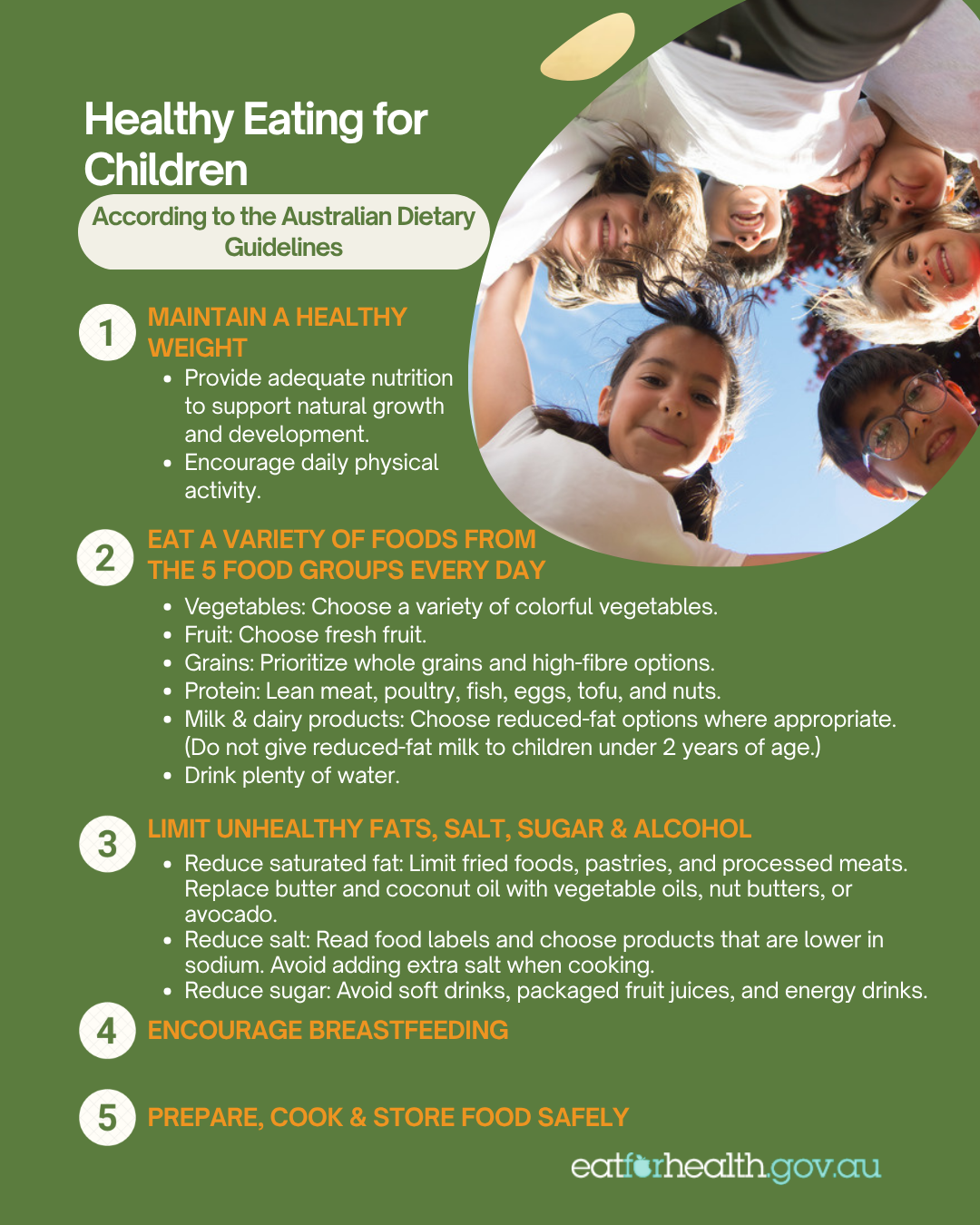

Nurturing Growing Children: Essential Principles from the Australian Dietary Guidelines
Establishing healthy eating habits during childhood lays the groundwork for lifelong health and wellbeing. The Australian Dietary Guidelines, developed by health authorities and based on scientific research, provide clear and practical recommendations to support the normal growth and energy needs of children and adolescents.
1. Maintain Growth & Active Energy
Children and adolescents should eat sufficient nutritious foods every day to grow and develop normally. They should be physically active every day and their growth should be checked regularly.
2. Enjoy 5 Key Food Groups Daily
Enjoy a wide variety of nutritious foods from these five food groups every day:
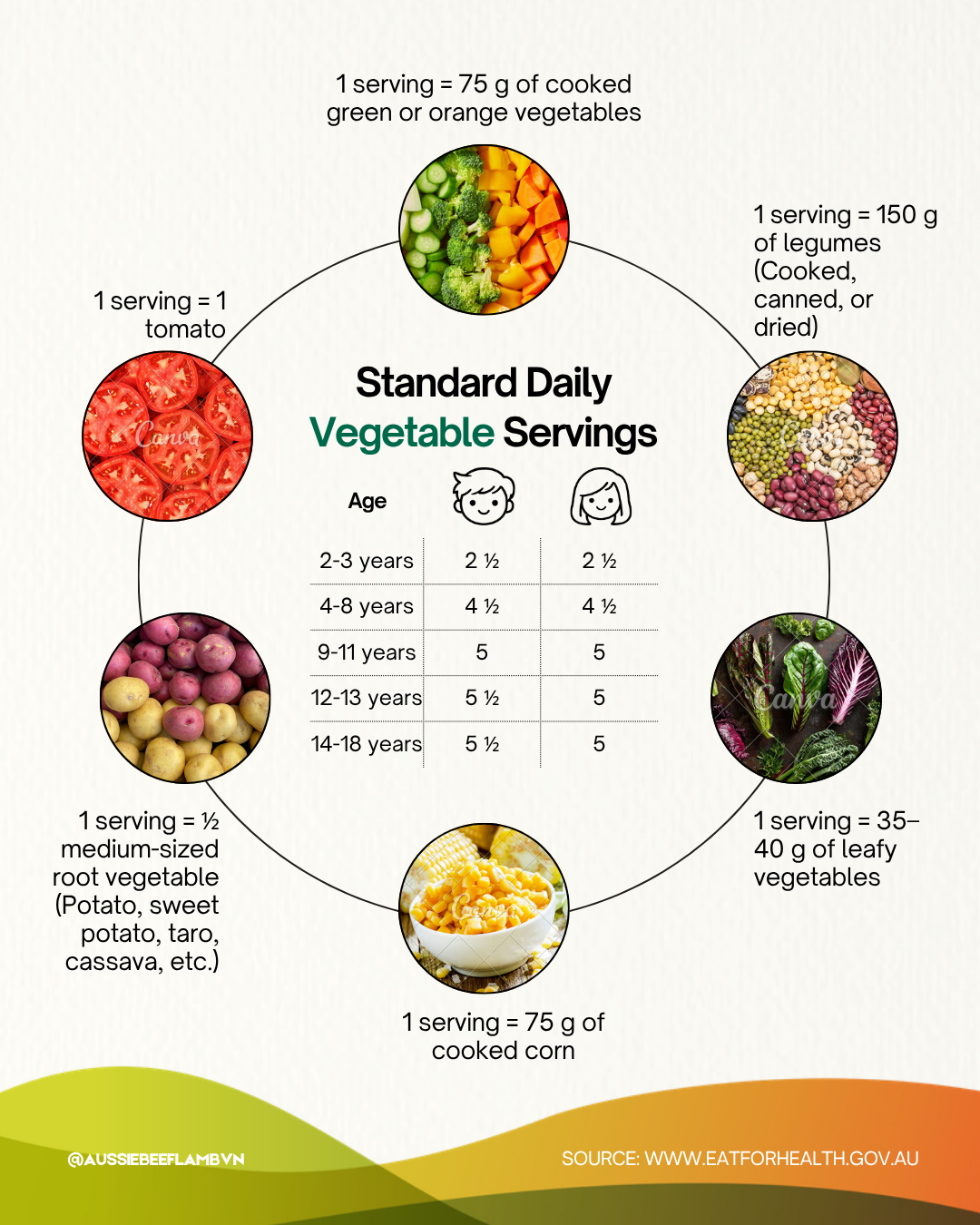
Vegetables & Legumes: Plenty of vegetables of different types and colours, and legumes/beans.
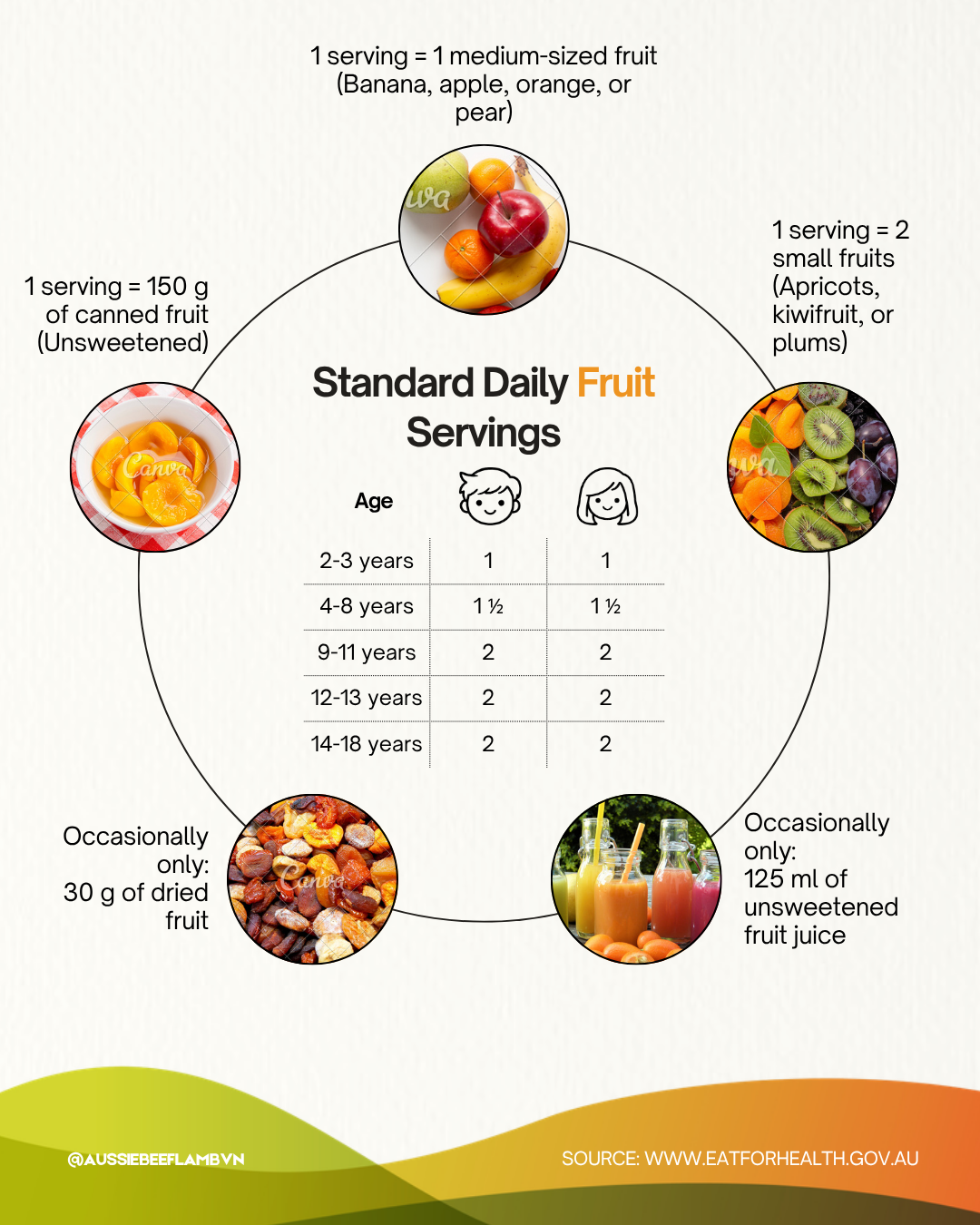
Fresh Fruit
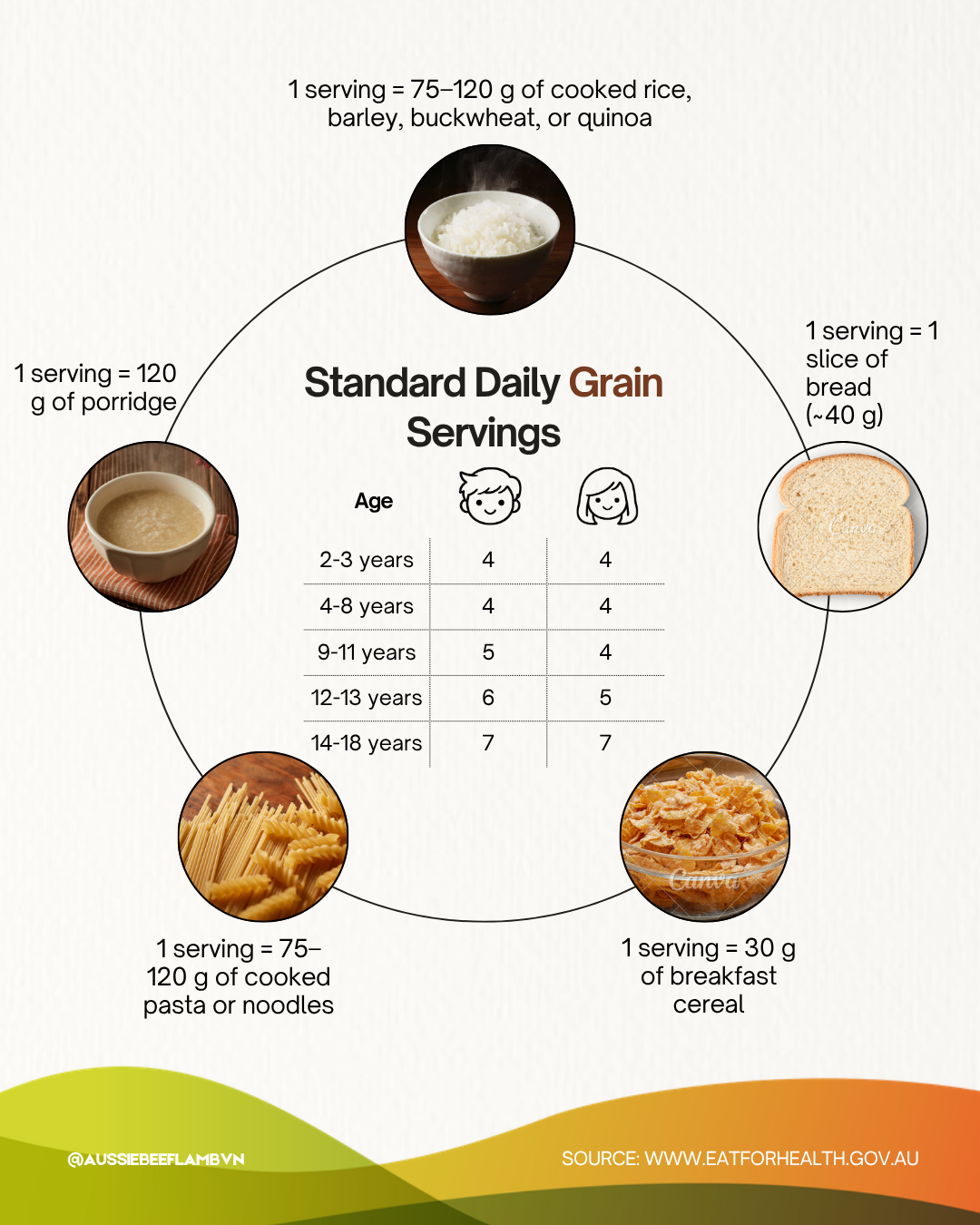
Grains & Cereals: Mostly wholegrain and/or high cereal fibre varieties, such as breads, cereals, rice, pasta, noodles, polenta, couscous, oats, quinoa, and barley.
Lean Proteins: Lean meats and poultry, fish, eggs, tofu, nuts and seeds, and legumes/beans.
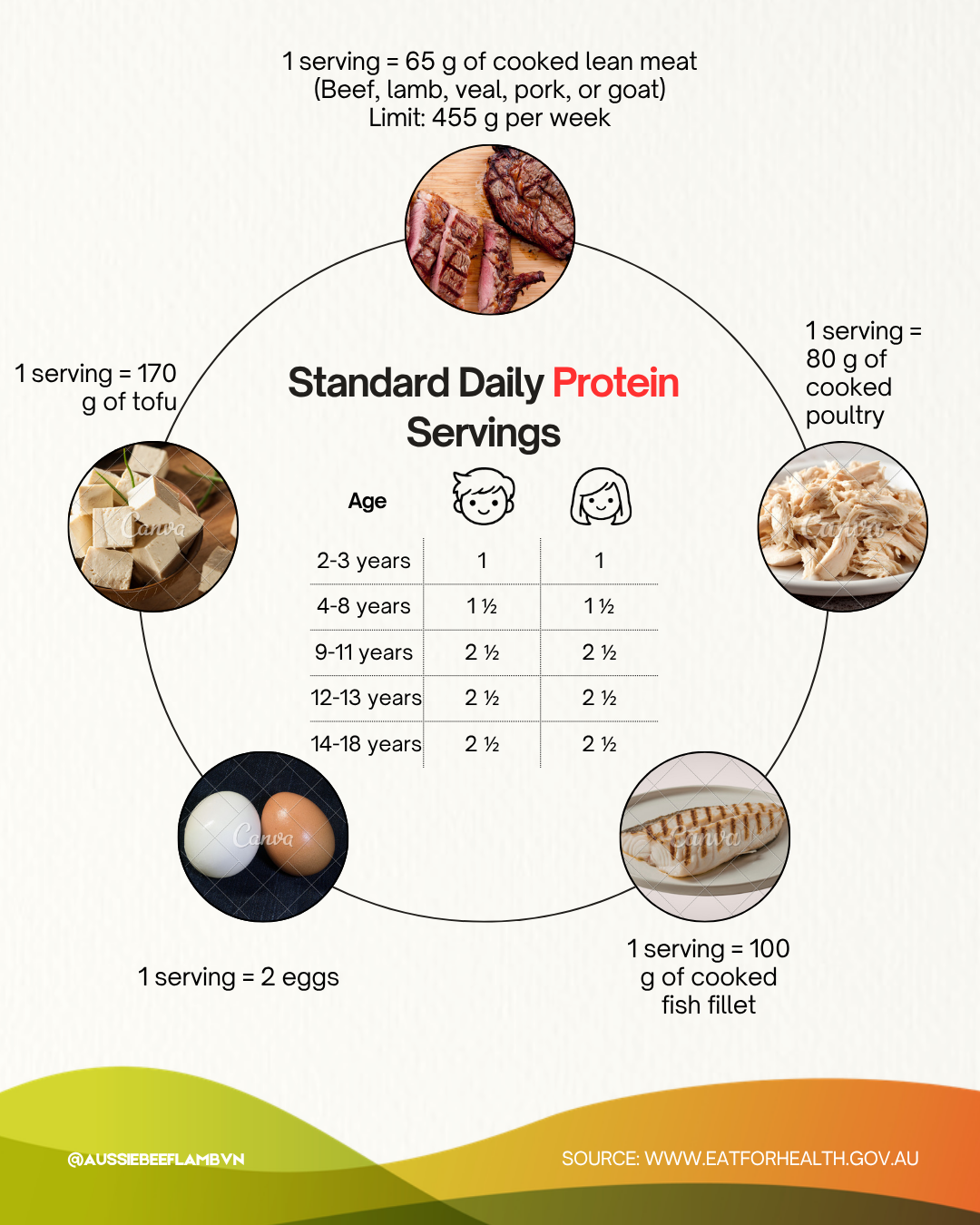
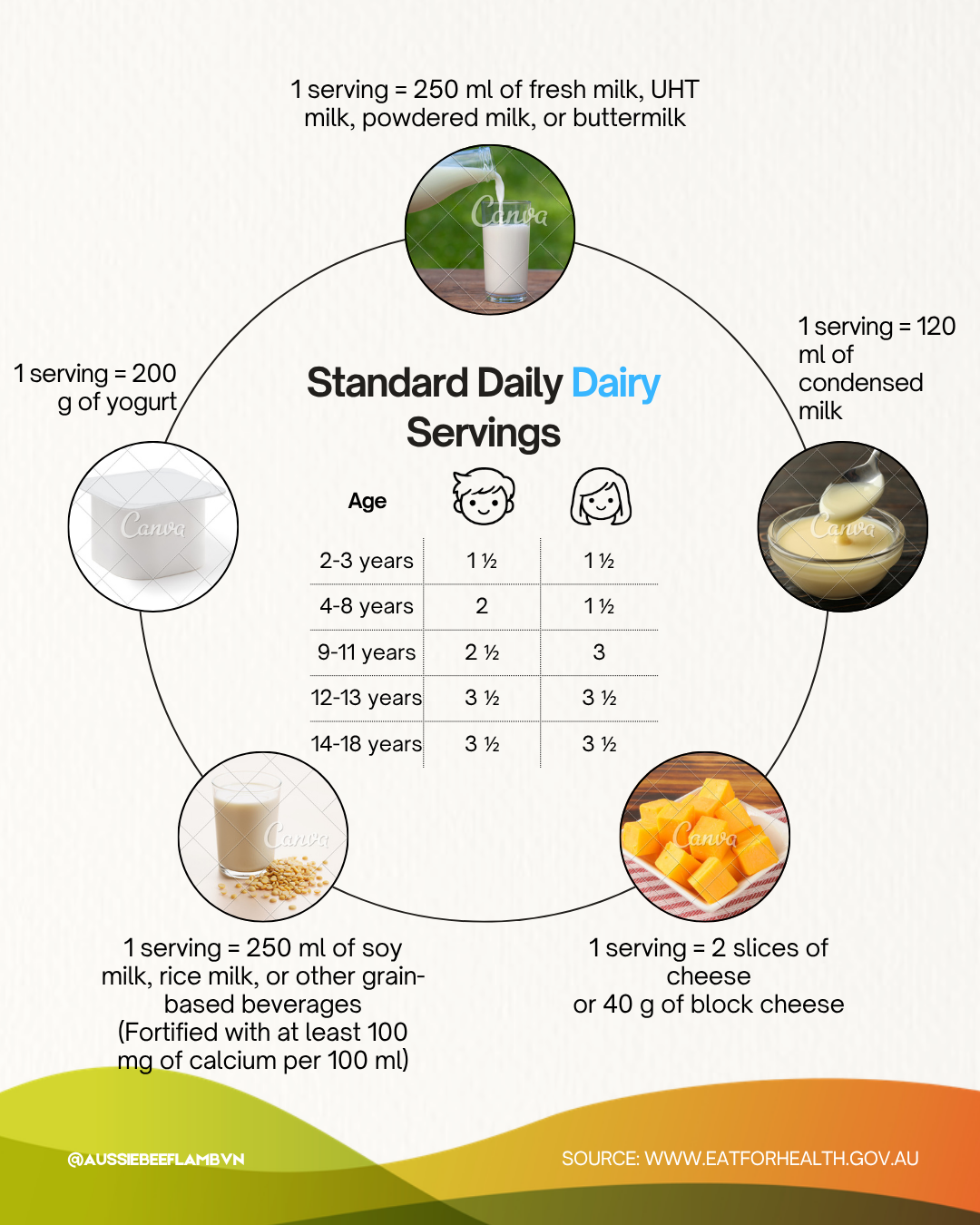
Dairy & Alternatives: Milk, yoghurt, cheese, and/or their alternatives, mostly reduced fat (reduced fat milks are not suitable for children under the age of 2 years).
3. Smart Choices: Limit Saturated Fats, Salt & Sugars
Limit intake of foods containing saturated fat, added salt, added sugars, and alcohol:
- Limit Saturated Fats: Limit intake of foods high in saturated fat such as many biscuits, cakes, pastries, pies, processed meats, commercial burgers, pizza, fried foods, potato chips, crisps, and other savoury snacks.
- Healthy Fat Swaps: Replace high fat foods which contain predominately saturated fats such as butter, cream, cooking margarine, coconut, and palm oil with foods which contain predominately polyunsaturated and monounsaturated fats such as oils, spreads, nut butters/pastes, and avocado. (Note: Low fat diets are not suitable for children under the age of 2 years).
- Reduce Added Salt & Sugars: Choose lower sodium options and cut back on added sugars.